
Discover the top platforms for influencer marketing in 2025 and learn how to choose the right one for your brand’s growth.
Introduction
Influencer marketing has become a cornerstone of digital marketing strategies, helping brands connect with their target audiences in authentic and engaging ways. With the right platform, businesses can amplify their reach, build trust, and drive conversions. But with so many options available, which platforms are best for influencer marketing?
In this guide, we’ll explore the best platforms for influencer marketing, their unique advantages, and how to select the one that aligns with your brand’s goals.
Why Influencer Marketing Matters
Before diving into platforms, let’s understand why influencer marketing is so effective:
- Trust and Authenticity: Consumers trust recommendations from influencers more than traditional ads.
- Targeted Reach: Influencers have niche audiences, allowing brands to connect with specific demographics.
- Engagement: Influencer content often generates higher engagement rates than brand-generated content.
- ROI: Studies show that influencer marketing delivers an average ROI of $5.20 for every $1 spent.
Best Platforms for Influencer Marketing
1. Instagram
Best for: Visual storytelling, lifestyle brands, and high engagement
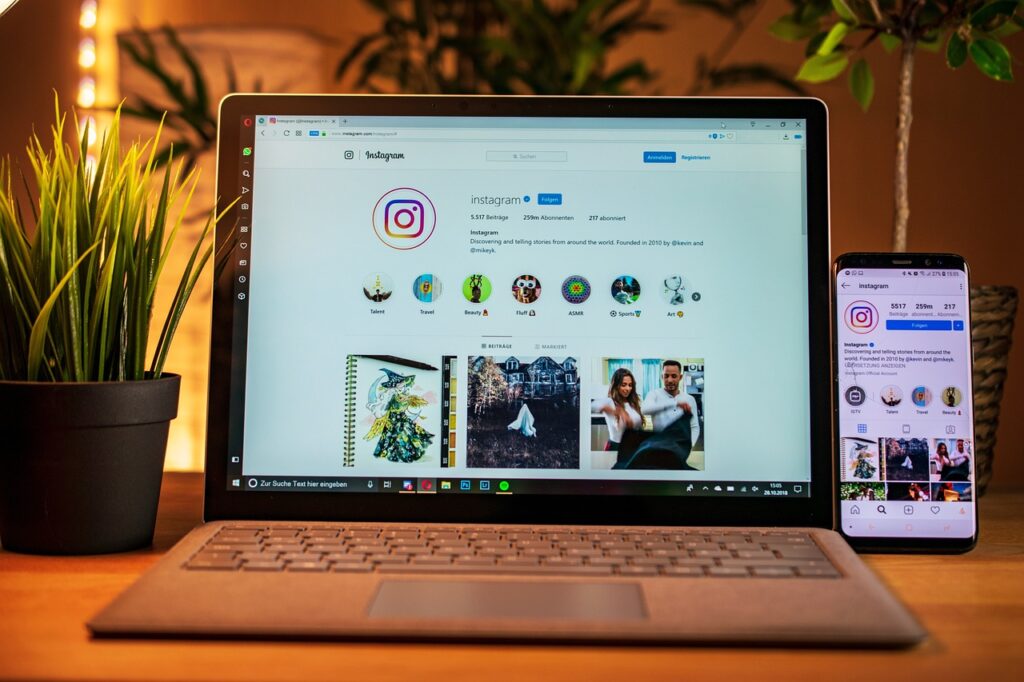
- Why it works: Instagram is the go-to platform for influencer marketing, with over 2 billion active users. Its visual nature makes it ideal for showcasing products and services.
- Key features: Stories, Reels, IGTV, and shopping tags.
- Best for brands: Fashion, beauty, travel, food, and fitness.
2. YouTube
Best for: Long-form content, tutorials, and in-depth reviews
- Why it works: YouTube is the second largest search engine, with users spending hours watching video content. Influencers can create detailed reviews, tutorials, and unboxings.
- Key features: Video ads, sponsored content, and affiliate marketing.
- Best for brands: Tech, gaming, education, and home products.
3. TikTok
Best for: Viral content, Gen Z, and creative campaigns
- Why it works: TikTok’s algorithm favors organic reach, making it easier for content to go viral. Its short-form video format is perfect for quick, engaging messages.
- Key features: Challenges, duets, and influencer collaborations.
- Best for brands: Fashion, music, beauty, and entertainment.
4. LinkedIn
Best for: B2B marketing, professional services, and thought leadership
- Why it works: LinkedIn is ideal for reaching professionals and decision-makers. Influencers on LinkedIn can position your brand as an industry leader.
- Key features: Articles, posts, and sponsored content.
- Best for brands: SaaS, finance, consulting, and corporate services.
5. Twitter (X)
Best for: Real-time engagement, trends, and conversations
- Why it works: Twitter is perfect for brands looking to engage in real-time conversations and leverage trending topics.
- Key features: Threads, polls, and influencer takeovers.
- Best for brands: News, tech, and social causes.
6. Facebook
Best for: Community building and broad audience reach
- Why it works: Facebook’s diverse user base and group features make it great for community-driven campaigns.
- Key features: Live videos, groups, and sponsored posts.
- Best for brands: Local businesses, e-commerce, and family-oriented products.
7. Pinterest
Best for: DIY, home decor, and visual discovery
- Why it works: Pinterest users actively search for inspiration and ideas, making it ideal for influencer-driven product discovery.
- Key features: Pins, boards, and shoppable posts.
- Best for brands: Home decor, fashion, and food.
How to Choose the Right Platform for Your Brand
- Identify Your Target Audience: Where does your audience spend most of their time?
- Define Your Goals: Are you looking for brand awareness, engagement, or conversions?
- Consider Your Budget: Some platforms require higher ad spend than others.
- Analyze Competitors: See where competitors are running successful campaigns.
- Test and Optimize: Start with one or two platforms, measure results, and refine your strategy.
Tips for a Successful Influencer Marketing Campaign
- Collaborate with the Right Influencers: Look for influencers whose values align with your brand.
- Create Authentic Content: Encourage influencers to share genuine experiences with your product.
- Track Performance: Use analytics tools to measure engagement, reach, and conversions.
- Build Long-Term Relationships: Long-term partnerships yield better results than one-off campaigns.
Conclusion
Influencer marketing is a powerful tool for brands looking to connect with their audience in a meaningful way. By choosing the right platform—whether it’s Instagram, YouTube, TikTok, or LinkedIn—you can maximize your reach and achieve your marketing goals.
Ready to launch your influencer marketing campaign? Start by identifying the platform that best fits your brand and audience!